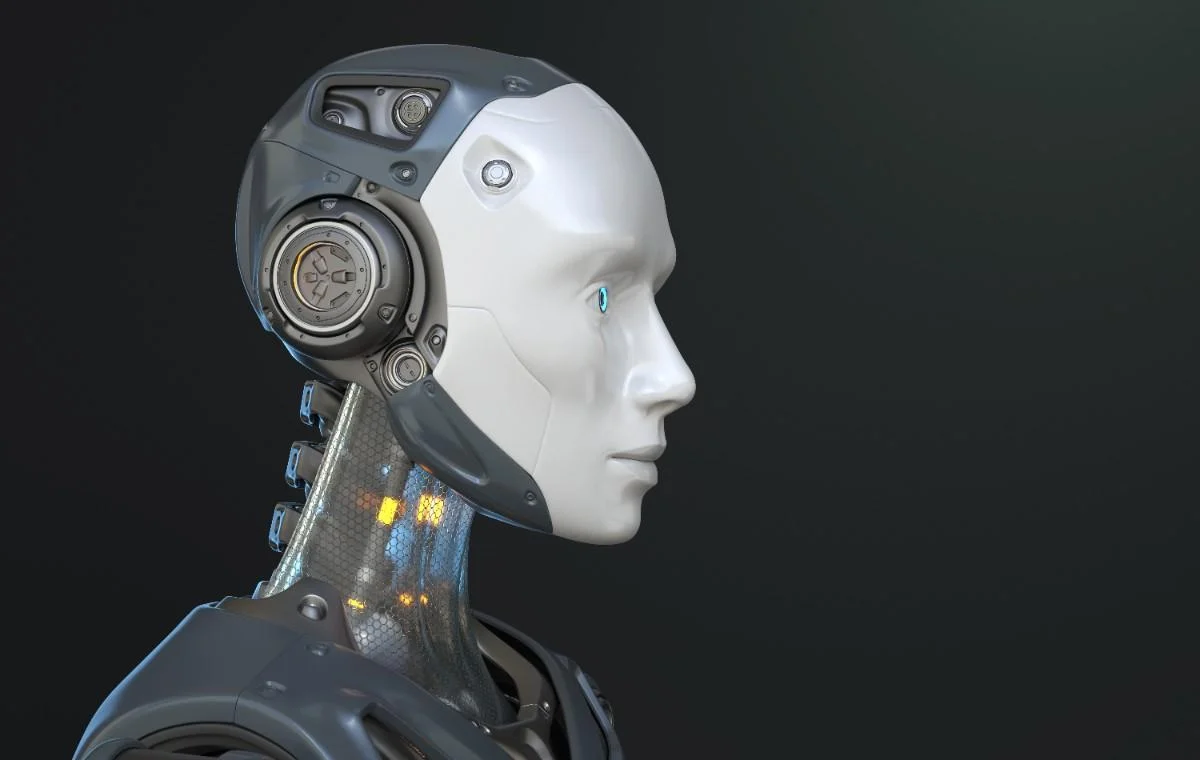

Why Artificial Intelligence Is Part of Modern Life
A typical day today begins with technology.
Someone wakes up and checks their phone. The weather appears on the screen. Messages are sorted automatically. News stories are recommended based on personal interests.
Most people do not think about it, but artificial intelligence is already involved in many of these small interactions.
Artificial intelligence “AI in Daily Life” has gradually moved from research laboratories into everyday digital tools. Instead of existing only in complex scientific systems, AI now operates quietly behind many of the applications people use every day.
Search engines use AI to understand questions.
Navigation apps use AI to predict traffic conditions.
Streaming platforms use AI to recommend movies and music.
The goal of these systems is simple. They analyze patterns in large amounts of data and use those patterns to provide better results.
Because of this, AI helps make technology more responsive, personalized, and efficient.
The Growth of AI Powered Technology
Over the last decade, improvements in machine learning and data processing have allowed companies to integrate artificial intelligence into consumer products.
Smartphones, websites, and digital services now use AI systems to improve how people interact with technology.
For example, an online store can analyze a user’s browsing behavior and recommend products they may find useful.
A navigation app can analyze traffic conditions and suggest the fastest route to a destination.
These systems rely on algorithms that learn from patterns in data. As more data becomes available, the systems improve their predictions and recommendations.
Why Everyday Apps Use AI
Modern digital services handle enormous amounts of information.
Search engines process billions of queries.
Streaming platforms manage thousands of movies and songs.
Social media platforms analyze millions of posts every day.
Without artificial intelligence, organizing and interpreting this data would be extremely difficult.
AI helps these platforms identify useful patterns and present information in ways that match user preferences.
This is why artificial intelligence has become a core part of modern technology.
Most people may not see the algorithms directly, but they experience the results through smarter apps and faster digital services.
AI in Smartphones and Personal Devices
Smartphones are one of the most common places where people interact with artificial intelligence.
Many features that seem simple are actually powered by complex AI systems working behind the scenes.
From unlocking the device to organizing photos, artificial intelligence helps smartphones respond more intelligently to user behavior.
Facial Recognition and Phone Security
Many modern smartphones use facial recognition to unlock the device.
When the camera scans a user’s face, an AI system analyzes facial patterns and compares them with stored biometric data.
This process happens almost instantly.
Machine learning algorithms identify unique facial features such as the distance between eyes, the shape of the nose, and other patterns that help confirm the user’s identity.
This technology improves convenience while maintaining device security.
Voice Assistants and Smart Commands
Voice assistants are another example of artificial intelligence in daily life.
When someone asks a voice assistant to set a reminder, check the weather, or search for information, several AI technologies work together.
Speech recognition converts spoken words into text.
Natural language processing interprets the request.
AI systems generate a response or perform the requested action.
This allows people to interact with their devices using natural conversation instead of typing commands.
AI Powered Photo Organization
Smartphones now store thousands of photos and videos.
Artificial intelligence helps organize these images automatically.
AI systems can recognize objects, locations, and even faces within photos.
For example, a photo application might group images by location or identify pictures that include the same person.
This makes it easier for users to search their photo libraries without manually organizing every image.
These features show how artificial intelligence improves everyday digital experiences while remaining largely invisible to the user.

AI in Navigation and Transportation
After leaving home, many people open a navigation app before starting their journey. Whether traveling to work, meeting friends, or visiting a new place, navigation systems help guide the route.
Behind these simple directions, artificial intelligence is constantly analyzing large amounts of data.
Navigation apps study traffic patterns, road conditions, travel history, and user behavior to determine the best route.
Route Prediction and Smart Navigation
When someone enters a destination, the system does more than just calculate distance.
AI analyzes several factors such as:
current traffic levels
average travel speeds
road closures
historical traffic patterns
Based on this information, the app predicts the fastest route and may update directions during the trip if traffic conditions change.
This ability to continuously analyze new information allows navigation apps to provide more accurate travel guidance.
Traffic Analysis and Real Time Updates
Artificial intelligence also helps identify traffic congestion.
Navigation platforms collect anonymous location data from thousands of drivers. AI systems analyze this data to detect slow traffic or road delays.
If a traffic jam begins to form, the system can alert nearby drivers and suggest alternative routes.
This type of real time analysis allows drivers to avoid delays and improve travel efficiency.
Ride Sharing Platforms
Ride sharing services also rely heavily on artificial intelligence.
AI helps match passengers with nearby drivers, estimate travel time, and calculate pricing based on demand.
For example, if many people request rides in a particular area, AI systems may adjust pricing or route drivers toward that location.
These intelligent systems help manage transportation networks and improve service availability.
AI in Online Shopping
Artificial intelligence also plays an important role in online shopping experiences.
Many people notice that online stores often recommend products that seem closely related to their interests. This is not random.
Recommendation systems powered by artificial intelligence analyze customer behavior to predict what someone might want to buy.
Personalized Product Recommendations
When a person visits an online store, the platform records interactions such as:
products viewed
items added to cart
previous purchases
search queries
AI systems analyze this information and compare it with patterns from other users.
Based on these patterns, the system recommends products that might match the shopper’s interests.
This helps customers discover products more easily while also helping businesses improve sales.
Smart Search Results
AI also improves how search functions operate on online stores.
Instead of matching exact keywords, artificial intelligence attempts to understand the intent behind a search query.
For example, if someone searches for “running shoes for beginners,” the system may display products that match athletic training, comfort, or entry level sports gear.
Machine learning models improve these results over time by studying how users interact with search results.
Inventory and Demand Prediction
Behind the scenes, artificial intelligence also helps businesses manage inventory.
AI systems analyze sales trends, seasonal demand, and customer behavior to predict which products will sell more frequently.
This helps companies maintain the right stock levels and reduce shortages.
For customers, this often results in better product availability and faster delivery times.
AI in Entertainment Platforms
At the end of a busy day, many people relax by watching movies, listening to music, or scrolling through videos online.
What many users do not realize is that artificial intelligence plays a major role in deciding what content appears on their screens.
Entertainment platforms use AI to analyze user behavior and recommend content that matches individual interests.
Movie and TV Recommendations
Streaming services rely heavily on recommendation systems powered by machine learning.
When someone watches a movie or television show, the platform records different types of interactions.
For example:
what content was watched
how long it was watched
what genres the viewer prefers
what content was skipped
Artificial intelligence analyzes this behavior and compares it with patterns from other viewers.
Based on this data, the platform recommends movies or shows that the user is likely to enjoy.
Over time, the system becomes better at predicting preferences.
This is why recommendation lists often become more accurate as someone uses a streaming service regularly.
Music Suggestions
Music platforms also rely on AI driven recommendation systems.
When someone listens to a particular artist or genre, the system studies listening habits and identifies patterns.
For example, the system may analyze:
favorite artists
playlist behavior
songs frequently replayed
genres listened to most often
Artificial intelligence then suggests similar songs or artists that match the listener’s taste.
These suggestions help users discover new music while keeping them engaged with the platform.
Personalized Content Feeds
Short video platforms and social media entertainment feeds use artificial intelligence to determine which content appears on a user’s screen.
Instead of displaying posts in a simple chronological order, AI analyzes user interactions such as:
likes
shares
watch time
comments
The system then predicts which content will keep the user engaged and places those posts at the top of the feed.
This process happens continuously as the platform learns more about each user’s preferences.
AI in Communication and Social Media
Artificial intelligence also improves how people communicate online.
Messaging apps, email services, and social media platforms rely on AI systems to filter information, improve security, and assist with communication.
Smart Reply Suggestions
Many messaging platforms now offer automatic reply suggestions.
When someone receives a message, the system analyzes the text and generates a few possible responses.
For example, if someone receives a message asking about meeting availability, the app may suggest replies such as:
“Sounds good.”
“Let me check my schedule.”
“I will confirm shortly.”
These suggestions help users respond quickly without typing full messages.
Spam Detection and Content Filtering
Email platforms use artificial intelligence to identify spam messages and protect users from unwanted content.
AI systems analyze patterns found in spam emails such as suspicious links, unusual sender behavior, and repetitive messaging patterns.
When the system detects a potential spam message, it automatically moves the email to a spam folder.
This protects users from phishing attempts and unwanted marketing emails.
Content Recommendations in Social Media
Social media platforms use AI to determine what content users see.
Instead of displaying every post from every account in chronological order, the platform analyzes engagement signals.
These signals include:
which posts users interact with
which topics they follow
how long they view certain content
Artificial intelligence uses these signals to create a personalized feed.
The goal is to show content that matches the user’s interests while keeping the platform engaging.
Benefits of AI in Daily Life
Artificial intelligence is not only a technological innovation. It has quietly become a practical tool that simplifies many everyday activities.
From navigation systems to personalized entertainment, AI helps people perform tasks more efficiently while reducing the time required to find information or make decisions.
Convenience in Daily Activities
One of the most noticeable benefits of AI is convenience.
Many everyday services that once required manual effort are now simplified through intelligent systems.
For example:
navigation apps quickly identify the fastest route
online stores recommend products that match personal preferences
smart assistants can set reminders or answer questions instantly
These tools reduce the need for repetitive actions and allow people to complete tasks faster.
Faster Decision Making
AI systems help users make decisions by analyzing large amounts of information.
Instead of manually reviewing data, AI powered systems can identify patterns and highlight useful insights.
For example:
navigation apps suggest the fastest route based on traffic
shopping platforms recommend products based on browsing behavior
music platforms suggest songs based on listening history
These systems provide suggestions that help users choose options more quickly.
Personalized Digital Experiences
Another major advantage of artificial intelligence is personalization.
Digital services increasingly adapt to individual preferences.
Streaming platforms recommend movies based on previous viewing history.
Social media platforms display content aligned with user interests.
Online stores highlight products similar to previous purchases.
This personalization helps users discover relevant content more easily.
Limitations of AI in Daily Technology
Despite its advantages, artificial intelligence also has limitations.
Understanding these limitations is important for using AI responsibly and maintaining realistic expectations about what these systems can do.
Privacy Concerns
Many AI systems rely on data to function effectively.
For example, recommendation systems analyze browsing history, search activity, and user behavior to generate personalized suggestions.
While this improves convenience, it also raises questions about how personal data is collected and used.
Users should always review privacy settings and understand how digital platforms manage their data.
Data Accuracy and Bias
AI systems learn from data. If the training data contains errors or biases, the system may produce inaccurate results.
For example, a recommendation system may suggest irrelevant products or misinterpret user preferences.
This does not necessarily mean the technology is unreliable, but it highlights the importance of continuous improvement and responsible system design.
Human Oversight Is Still Necessary
Artificial intelligence can automate certain processes, but it cannot fully replace human judgment.
Many AI systems still require human supervision, especially when decisions involve complex situations.
For example:
financial decisions
medical analysis
legal interpretation
In these cases, AI can assist with analysis but human experts remain responsible for final decisions.

The Future of AI in Everyday Life
Artificial intelligence continues to evolve rapidly, and its role in daily life will likely expand in the coming years.
As technology improves, AI systems will become more capable of understanding user needs and responding intelligently to different situations.
Smarter Digital Assistants
Future digital assistants may become more conversational and capable of managing complex tasks.
Instead of responding to single commands, these assistants may help organize schedules, manage communication, and assist with research tasks.
Intelligent Smart Devices
Smart home devices are already becoming more common.
In the future, these devices may coordinate with each other more effectively.
For example:
thermostats adjusting automatically based on daily routines
lighting systems adapting to user preferences
security systems detecting unusual activity
These systems aim to make homes more comfortable and efficient.
Expanding AI Applications
Artificial intelligence will likely continue expanding into areas such as healthcare, education, and transportation.
These technologies may help improve services while supporting professionals in their work.
While AI will continue to develop, human decision making and ethical oversight will remain essential parts of responsible technology use.
FAQ
How is AI used in daily life?
Artificial intelligence is used in many everyday technologies such as smartphones, navigation apps, streaming platforms, online shopping websites, and voice assistants. These systems analyze data to provide personalized recommendations and improve user experiences.
What are examples of AI in everyday life?
Common examples include navigation apps predicting traffic, streaming services recommending movies, smartphones using facial recognition, and online stores suggesting products based on browsing behavior.
Do people use AI every day?
Yes. Many digital services people interact with daily rely on artificial intelligence, including search engines, messaging platforms, navigation systems, and social media feeds.
Where is AI used in daily technology?
AI is commonly used in smartphones, recommendation systems, digital assistants, online shopping platforms, streaming services, and navigation applications.
How does AI improve daily activities?
AI improves daily activities by automating repetitive tasks, analyzing information quickly, and providing personalized recommendations that help users make faster decisions.
Refrence: Wikipedia, Google Scholar