
Introduction: Why School Students Are Starting to Use AI
A few years ago, when students had a difficult homework question, the usual solution was simple.
They opened a textbook.
They searched the internet.
Or they asked a teacher the next day.
Today the learning environment looks different.
Many students now turn to artificial intelligence systems when they struggle with a topic. Instead of scrolling through dozens of search results, they can ask a question and receive an explanation in seconds.
This shift is happening quietly inside homes and classrooms around the world.
Artificial intelligence is becoming part of how students learn, revise, and explore new ideas.
But this change raises an important question.
Should school students use AI in their learning process?
The answer is not simply yes or no. Artificial intelligence can be extremely helpful when used responsibly. It can explain complex topics, generate practice questions, and help students organize study material.
At the same time, using AI without discipline can weaken important skills such as critical thinking and independent problem solving.
For younger students especially, the difference between assistance and dependency matters.
AI should help students understand ideas more clearly.
It should not replace the effort required to learn those ideas.
When used properly, artificial intelligence becomes a learning support system that helps students move through difficult subjects with more confidence.
Understanding how to use AI safely and effectively is becoming an important part of modern digital literacy.
What Artificial Intelligence Means for School Students
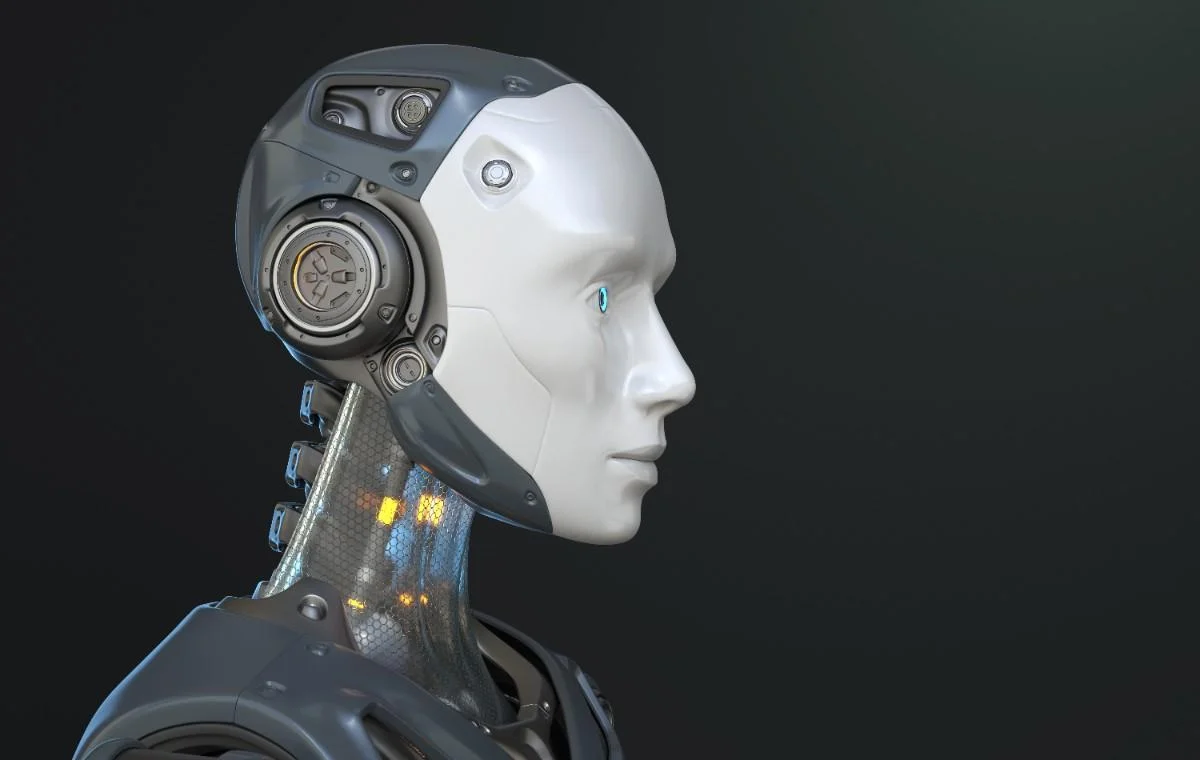
When school students hear the term artificial intelligence, they often imagine advanced robots or futuristic machines.
In reality, AI in education is much simpler.
Artificial intelligence refers to computer systems that can analyze information and generate responses based on patterns learned from data.
For students, this means AI systems can help explain topics, summarize information, and assist with studying.
Many learning tools already include artificial intelligence features. These tools can respond to questions, generate examples, and provide step by step explanations.
For example, a student studying mathematics might ask an AI system to explain a difficult algebra concept. If the explanation feels confusing, the student can request a simpler explanation or ask for an example problem.
This flexibility makes AI different from traditional learning materials.
A textbook presents one explanation.
AI systems can generate many explanations until the idea becomes clearer.
However, students must understand an important limitation.
Artificial intelligence does not truly understand knowledge. It predicts responses based on patterns in data.
Because of this, AI explanations should always be checked using trusted sources such as textbooks, teacher instructions, or official learning platforms.
AI should support learning, not replace the learning process.
When used carefully, it becomes a helpful study assistant that makes difficult topics easier to approach.

How School Students Can Use AI for Studying
Artificial intelligence can be helpful for school students when it is used as a learning assistant rather than a shortcut.
The key difference is simple.
Students should use AI to understand concepts, not to replace their own thinking.
When used responsibly, AI can support homework, explain difficult subjects, and help students practice important topics.
Homework Support
Homework is often where students face the most confusion.
Sometimes a question looks simple but becomes difficult because the explanation in the textbook is not clear enough.
AI systems can help by breaking down a problem into smaller steps.
For example, a student solving a math problem may ask an AI system to explain the formula involved. Instead of immediately asking for the final answer, the student can request a step by step explanation of how the formula works.
This approach helps students understand the logic behind the problem rather than simply copying the solution.
Teachers often encourage this type of learning because it strengthens problem solving skills.
Understanding Difficult Subjects
Some school subjects require repeated explanations before the idea becomes clear.
Science, mathematics, and grammar are common examples.
Artificial intelligence systems can present explanations in multiple ways. A student can ask for a simpler definition, an example, or even a real life analogy.
For instance, a science student learning about photosynthesis might request a simplified explanation first. After that, they might ask for a diagram description or a practical example of how plants convert sunlight into energy.
This flexible learning style can make complex subjects easier to understand.
However, students should still read textbooks and teacher notes to confirm the accuracy of the explanation.
Practice Question Generation
One of the most effective ways to learn is through practice.
AI systems can generate practice questions based on the topic a student is studying.
A student preparing for a mathematics test might request practice problems about fractions or geometry. The system can generate multiple examples with different levels of difficulty.
This allows students to test their understanding and identify weak areas.
Practice questions are especially helpful during exam preparation because they encourage active learning rather than passive reading.
Students should always attempt the question themselves before checking explanations.
AI Learning Support for Different School Subjects
Artificial intelligence can support learning in many school subjects. Its usefulness depends on how students apply it during their study sessions.
Different subjects benefit from different types of AI support.
AI for Mathematics Learning
Mathematics often requires step by step reasoning.
AI systems can explain formulas, demonstrate problem solving methods, and generate additional practice exercises.
If a student struggles with algebra or geometry, they can ask AI to break the problem into smaller steps. This helps clarify the logic behind each calculation.
Students should still practice solving problems independently because mathematical understanding improves through repetition.
AI for Science Education
Science subjects such as biology, chemistry, and physics involve complex processes and scientific terminology.
AI systems can help explain these processes in simpler language.
For example, a student studying the water cycle can ask for a simplified explanation or request examples of how evaporation and condensation work in everyday situations.
These explanations can make scientific ideas easier to visualize.
However, students should always verify scientific information with textbooks or trusted educational resources.
AI for Language and Writing Skills
Language learning also benefits from AI support.
Students can use AI tools to:
• understand grammar rules
• improve sentence clarity
• learn vocabulary meanings
• practice writing paragraphs
AI can also help explain difficult words and provide examples of how they are used in sentences.
This can be especially helpful for students learning a second language.
Even with AI assistance, writing practice should remain independent so that students continue improving their communication skills.
Benefits of AI for School Students
Artificial intelligence is becoming popular among students because it can make learning more flexible and accessible. When used responsibly, AI tools can help students understand concepts faster and manage their study time more effectively.
However, the value of AI does not come from replacing traditional learning. Its real strength is supporting students when they feel stuck or overwhelmed.
Faster Concept Clarification
Many students struggle because a topic is explained in a way that does not match their thinking style.
Artificial intelligence can present the same idea in different ways. If the first explanation feels confusing, a student can request a simpler explanation or ask for a real world example.
This flexibility allows students to approach a concept from multiple perspectives until they understand it clearly.
For subjects like mathematics or science, this can make difficult topics easier to approach.
Personalized Learning Support
Not every student learns at the same pace.
Some students need extra practice to master a concept, while others move quickly through material.
AI systems can adjust the level of explanation based on the student’s request. A student who needs basic explanations can ask for simpler examples, while another student may request more detailed information.
This type of personalized learning support helps students study at a pace that suits their needs.
Better Study Organization
Another advantage of AI is its ability to help students organize study material.
School students often feel overwhelmed when preparing for exams because they have many topics to review.
AI systems can help break large subjects into smaller sections, suggest study plans, and create revision outlines.
This structured approach helps students focus on one concept at a time rather than trying to study everything at once.
Increased Learning Confidence
When students receive clear explanations and structured guidance, they often feel more confident about their learning progress.
Artificial intelligence can help reduce the frustration that students experience when they cannot understand a topic immediately.
Instead of feeling stuck, students can explore different explanations and practice exercises until the concept becomes clear.
This can encourage curiosity and motivation during study sessions.
Risks of AI Use for Younger Students
Although artificial intelligence offers many benefits, it also introduces risks when students depend on it too heavily.
Understanding these risks helps students use AI responsibly and maintain strong learning habits.
AI Misinformation
Artificial intelligence systems generate answers based on patterns in data. Because of this, they sometimes produce information that sounds correct but may contain errors.
This can happen when the system predicts a response without verifying the accuracy of the information.
Students should always confirm important facts using textbooks, teacher instructions, or trusted educational websites.
AI can help introduce a topic, but it should not be treated as a final authority.
Over Reliance on AI
One of the biggest dangers for school students is depending on AI too much.
If students use AI to solve every homework problem or write every explanation, they may stop practicing the thinking skills that education is designed to develop.
Skills such as reasoning, writing, and problem solving improve through effort and repetition.
AI should assist learning, not replace it.
Academic Honesty Concerns
Many schools have guidelines about how students should complete assignments.
Submitting work that was entirely generated by AI may violate school policies.
Students should always check teacher instructions before using AI tools for assignments.
Using AI for explanations or study support is usually acceptable, but copying generated content as personal work can create academic integrity problems.
Privacy and Data Awareness
Students should also be careful about sharing personal information with AI tools.
Assignments, personal notes, or school documents may contain sensitive information.
It is safer to avoid uploading confidential material and to follow school guidelines about digital tools.
Developing awareness about privacy is an important part of modern digital literacy.
Responsible AI Use for School Students
Artificial intelligence can be a powerful learning tool, but it works best when students use it with discipline and awareness.
Responsible use means understanding that AI is a study assistant, not a replacement for effort.
Students can follow a few simple principles to make sure AI supports their learning rather than weakening it.
First, always try to solve a problem independently before asking AI for help. Attempting the problem helps the brain engage with the concept. AI should only be used when clarification is needed.
Second, use AI for explanations rather than answers. Asking for step by step explanations encourages understanding, while copying final answers prevents real learning.
Third, verify important information using textbooks or trusted educational sources. AI responses can sometimes contain mistakes, so cross checking helps maintain accuracy.
Fourth, avoid copying AI generated text into assignments. School work should reflect a student’s own thinking and understanding.
Finally, use AI as a tool for practice. Generating additional questions or examples can strengthen knowledge and improve exam preparation.
When students follow these guidelines, artificial intelligence becomes a helpful partner in the learning process.
Role of Teachers and Parents in AI Learning
School students often rely on guidance from teachers and parents when using new technologies.
Artificial intelligence should be introduced as a support tool for learning, not as a shortcut for completing assignments.
Teachers play an important role in helping students understand how AI can assist studying without replacing independent thinking.
For example, teachers can encourage students to use AI to review difficult concepts or generate practice questions. At the same time, they can emphasize that final answers should come from the student’s own understanding.
Parents can also support responsible AI use by discussing digital literacy and encouraging balanced study habits.
Instead of restricting AI completely, guidance should focus on teaching students how to use the technology thoughtfully.
When teachers, parents, and students work together, artificial intelligence can become a constructive part of modern education.
Future of AI in School Education
Artificial intelligence will likely become more integrated into school learning environments over the next decade.
Educational technology companies are developing systems that analyze student progress and recommend personalized learning paths. These systems aim to identify areas where students struggle and provide targeted support.
Future AI learning platforms may include intelligent tutoring systems that guide students through complex subjects step by step.
Learning analytics systems may also help teachers understand how students interact with course material. This information can help educators design lessons that better match student needs.
However, technology alone cannot define education.
Human interaction, discussion, and mentorship remain essential parts of learning. Artificial intelligence may support these processes, but it cannot replace the role of teachers or the importance of independent thinking.
The future of education will likely combine traditional teaching methods with AI assisted learning tools.

Key Takeaways
Artificial intelligence is becoming an important part of modern education, and school students are beginning to interact with AI tools more frequently.
When used carefully, AI can help explain complex subjects, generate practice questions, and organize study material more effectively.
However, students must remain active participants in their own learning. Over relying on AI can weaken critical thinking and problem solving skills.
Responsible use of artificial intelligence means asking for explanations, verifying information, and maintaining academic honesty.
Artificial intelligence should support curiosity and understanding rather than replacing the effort required to learn.
Students who learn how to use AI thoughtfully will be better prepared for a future where technology and education continue to evolve together.
FAQ
What is AI for school students?
Artificial intelligence for school students refers to digital systems that assist learning by explaining concepts, generating practice questions, summarizing study material, and helping students organize their study process. These systems act as learning assistants rather than replacements for teachers or traditional education.
How can school students use AI for studying?
School students can use AI to clarify difficult concepts, generate practice questions, review summaries of lessons, and organize study plans. AI works best when students attempt problems independently first and then use the system for explanations or additional examples.
Is artificial intelligence safe for school students?
Artificial intelligence can be safe for school students when used responsibly. Students should verify information with textbooks or trusted educational sources and avoid sharing personal or sensitive data with AI platforms.
Can AI help school students with homework?
Yes, AI can help school students with homework by explaining topics, breaking down problems step by step, and providing practice exercises. However, students should avoid copying answers directly and instead focus on understanding the solution.
What are the benefits of AI for school students?
AI can support learning by providing faster explanations, personalized study support, structured study plans, and additional practice questions. These features help students improve their understanding and manage their study time more effectively.
What are the risks of AI for school students?
Some risks include misinformation, over reliance on AI tools, reduced critical thinking, and academic integrity concerns if students submit AI generated work as their own. Responsible use and verification of information help reduce these risks.
Can teachers detect AI generated school assignments?
Some schools use software that analyzes writing patterns to detect AI generated content. However, detection tools are not always accurate. The safest approach is to use AI only for explanations and learning support rather than submitting AI generated work.
Should school students rely on AI for learning?
AI should not replace studying or independent thinking. It should be used as a learning assistant that helps explain concepts, generate practice questions, and organize study material while the student remains responsible for understanding the topic.
Refrence: Wikipedia, Google Scholar